Let’s be honest. City living can be… a lot. The concrete, the noise, the constant hum of activity. It’s energizing, sure, but it can also leave you feeling disconnected. From nature, from calm, from a sense of real peace. That’s where biophilic design comes in—and no, it’s not just for sprawling lofts with giant windows.
Biophilic design is the practice of connecting our built environments to the natural world. It’s a science-backed approach that reduces stress, boosts creativity, and just makes a space feel better. And you can absolutely harness its power, even in a compact urban apartment. Here’s the deal: it’s less about square footage and more about intention.
Why Biophilia Isn’t Just “More Plants”
Okay, yes, plants are a huge part of it. But if you think sticking a sad succulent on a windowsill checks the box, think again. True biophilic design for small spaces digs deeper. It engages our innate human need to connect with natural systems, patterns, and materials. It’s about creating a sensory experience that whispers “life” and “growth” even when you’re ten floors up.
The core idea is simple: we didn’t evolve in sterile boxes. Our brains and bodies are wired for environments that mimic the natural landscapes we thrived in for millennia. Ignoring that wiring in our homes—our sanctuaries—leaves us subtly on edge. The good news? You can re-wire your apartment without a full renovation.
Direct Nature: The Obvious (and Not-So-Obvious) Connections
This principle is about incorporating living, breathing elements of nature. It’s the most direct hit. But in a small space, you’ve got to be clever.
Light: Your Most Precious Resource
Natural light is liquid gold for urban dwellers. Maximize it. Ditch heavy drapes for sheer, light-filtering fabrics. Use mirrors strategically across from windows to bounce light into darker corners—it’s an old trick, but a brilliant one. Honestly, the quality of light matters as much as quantity. Think about the dappled light of a forest, not the glare of an office.
Air & Sound: Beyond the Visual
Can you feel fresh air? Can you hear something other than traffic? Crack a window daily for cross-ventilation. A small tabletop fountain or even a discreet humidifier with essential oils can introduce the soothing sound and feel of moving, humidified air. It’s a subtle layer that makes a huge difference.
Plants: Go Vertical, Go Smart
Here’s where most people start. But avoid clutter. Instead of lots of small pots, choose one or two statement plants—a tall fiddle-leaf fig or a cascuing pothos. Use wall-mounted planters, hanging macramé, or a simple shelf to create a living wall. This draws the eye up, adds texture, and saves floor space. Pro tip: group plants with similar care needs to create a mini-ecosystem.
Indirect Nature: The Art of Suggestion
This is where biophilic design gets really interesting for small-space dwellers. It’s about evoking nature through materials, colors, and forms. You’re creating a feeling, a memory of nature.
Natural Materials & Textures
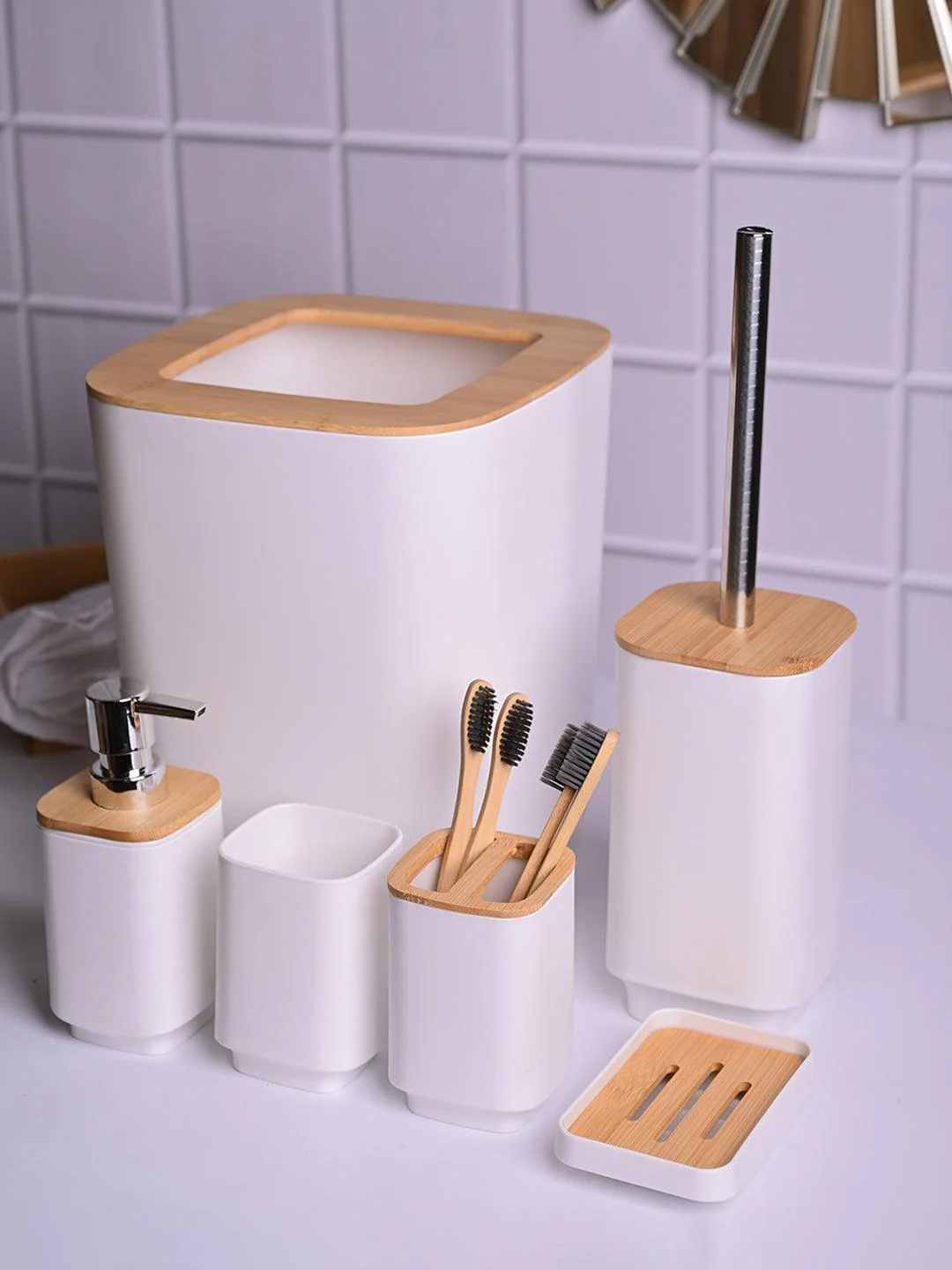
Swap out plastic and polyester for wood, stone, linen, jute, wool, or rattan. You don’t need a hardwood floor. A woven bamboo blind, a chunky wool throw, a side table made of reclaimed wood—these elements add warmth and complexity. They age, they have grain and imperfection. They tell a story.
Color Palettes from the Earth
Forget stark white or grey. Look to nature for your palette: mossy greens, sky blues, earthy browns, stone greys, and sandy neutrals. These are inherently calming. Use bolder colors from nature—a terracotta pot, a cushion in a deep fern green—as accents. It’s like bringing the outside in, without the bugs.
Complexity & Order: The Patterns of Life
Nature is never boring, but it’s also not chaotic. It has fractal patterns—repeating patterns at different scales, like in a fern leaf or a snowflake. You can introduce this through art, textiles, or even a tile backsplash. The goal is visual richness that feels organic, not overwhelming.
Space & Place: The Layout of Wellbeing
This principle relates to how we experience the space itself. In nature, we have prospect (open views) and refuge (safe, sheltered spots). Your apartment should offer both.
Creating Refuge: This is about cozy, protected nooks. A reading chair in a corner with a soft lamp and a plant. A canopy bed. Even a well-placed, high-backed sofa can create a sense of security. In a studio, use a room divider—maybe a open shelving unit with plants—to define a “refuge” zone.
Ensuring Prospect: Keep lines of sight open where possible. Arrange furniture so you can see the door and a window. Avoid blocking your best view, even if it’s just of a sliver of sky. This satisfies our innate need to survey our environment safely.
A Simple Action Plan for Your Space
Feeling inspired? Let’s break it down into manageable steps. Start small, and build from there.
- Week 1: The Audit. Walk through your home. Where does the light fall? Where feels dead? Note one spot for a “refuge” and one for a “prospect” view.
- Week 2: Material Swap. Replace one synthetic item (a polyester rug, a plastic bin) with a natural one (jute, seagrass, wood).
- Week 3: Introduce Life. Bring in one air-purifying plant suited to your light. A snake plant or ZZ plant are famously tough.
- Week 4: Engage the Senses. Add a sensory element: a textured wool blanket, a diffuser with pine or citrus oil, or a small water feature.
See? It’s not about a single, grand gesture. It’s a series of small, thoughtful choices.
The Real Payoff: More Than Just Aesthetics
When you layer these principles, something shifts. The apartment doesn’t just look better—it functions better for your wellbeing. That background anxiety? It might just quiet down. Your sleep might improve. You might find yourself just… breathing easier. In a world that’s increasingly digital and fast-paced, your home can become an anchor to the real, the organic, the timeless.
Ultimately, biophilic design in an urban apartment is a quiet act of rebellion. It’s a refusal to accept a sterile, disconnected box as “home.” It’s a commitment to weaving your own little ecosystem of wellbeing, thread by natural thread, right in the heart of the concrete jungle. And that’s a trend that’s never going out of style.